Hayley Warrens, environmental scientist and chair of Somerset Climate Action Network, said "we need to start thinking about how we're using water". "It's going to take a long time to be able to increase water levels up to where they need to be to be able to sustain demand," she said. Warrens is also concerned over the impact it will have on our food.
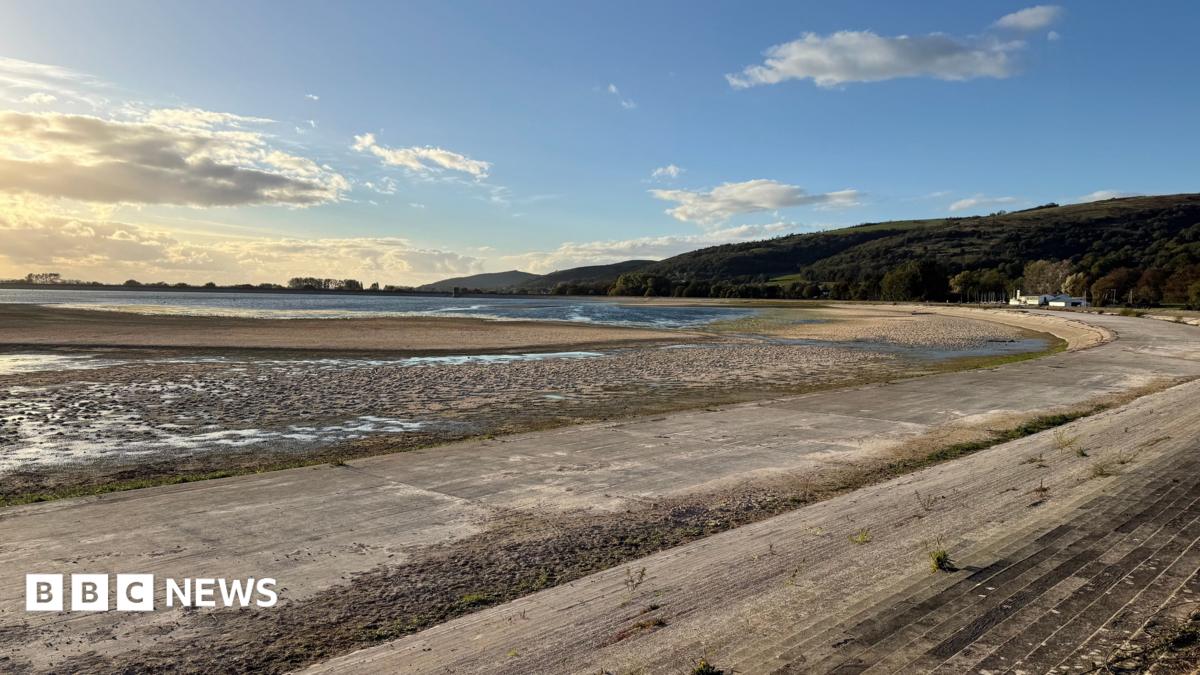
She said: "Production has been impeded by the lack of water and ability [for farmers] to irrigate their land." Reservoirs, like Wimbleball, have been "really stressed and depleted to levels of which just aren't tenable to be able to maintain water consumption", said Warrens. And with more homes being built across Somerset, Warrens said demand for water is only going to increase in the county. She said it is important to look at ways to "hold water and store it sufficiently" during periods of heavy rainfall, so there is "enough water for dry summers that we're potentially going to see more of".
Dr Kemi Adeyeye, from the University of Bath, is a specialist in water efficiency and water-resilient architecture. She said although scientists have been predicting more extreme weather cycles, the speed and the intensity of the heat wave in the summer of 2026 "was unprecedented" and the impact of that is showing now. She added, "sustained action" on reducing water consumption needs to be brought back into "people's consciousness".
Have a shower instead of a bath Use a timer in the shower to limit water usage Turn off the tap when brushing your teeth Use a washing-up bowl instead of filling the whole sink Only fill the kettle with the water you need Install water butts to reuse waste and rainwater Richard Stanbrook, South West Water's drought resilience director, said despite the recent rain and stormy weather some reservoirs are still at "critically low levels" and the pressure on supplies "remains significant". "A week of heavy rain does not undo the effects of a prolonged drought," he said. "It's going to take a lot of rain and we need that rainfall to be sustained, over the winter period.
"It's been great to see that tick up in the levels but we need to make sure that it's in a sustainable position before we relieve the hosepipe ban." Although the temporary hosepipe ban - introduced in August - looks set to remain in place, he said the company is not looking to bring in any other restrictions on water usage. "No enforcement - we believe our customers are really acting positively on using water wisely," he said. "We've got used to a climate where it rains in the winter and we have the occasional hot summer.
"But we've had two very hot, long summers recently and we're going to have to start recognizing that might become the norm, and so all of us need to adjust to that." About 100 megalitres of water is lost a day through leaks but Stanbrook said South West Water are repairing 440 leaks a week and "taking every practical step to strengthen supplies". "We're hoping to get it to below 100 million litres - over the coming years," he said. "We have repaired 23,000 leaks during the course of the last 12 months.
"[But] it's for everybody to recognize that this climate is changing. We all need to adapt."
Source: BBC